

TL;DR: A tax accountant’s job is preserving cash flow while taxes get paid, and FBA tax depends on where the business is physically or jurisdictionally present, plus other taxes that can apply regardless. Before selling, get your finances in order early, ideally with a professional on your records 90 days out. A common mistake is failing to track investments, which affects the tax you owe.
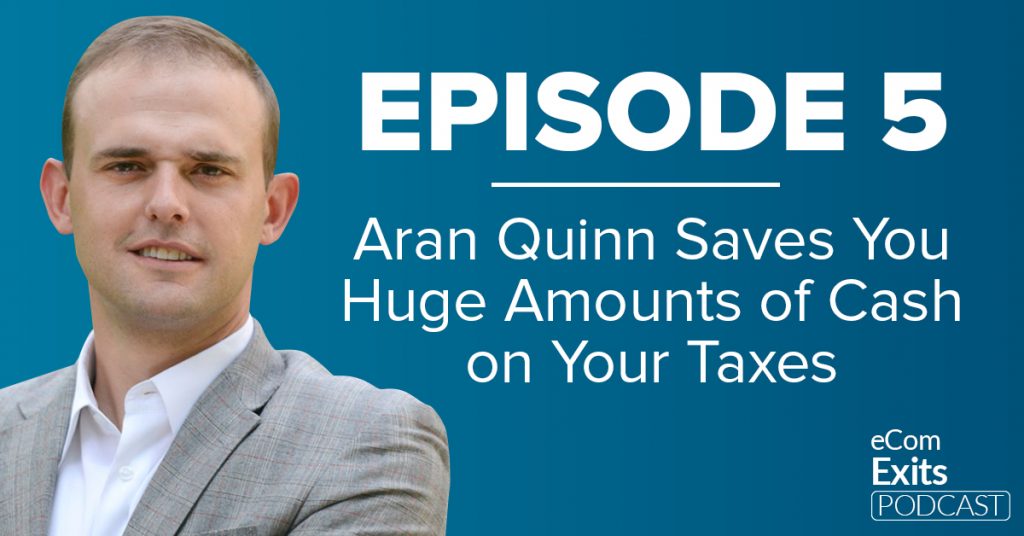
Most importantly, Tax attorney and CPA, Aran Quinn, shares with us everything FBA and eCommerce sellers need to know about tax compliance, rules and regulations to note. In addition, and the breakdown of responsibilities of your accounting team. As well as tips and suggestions for a seamless and profitable exit. This guide covers key aspects of tax accountant. If you want that team in place, see our accounting services for Amazon sellers.
SAVING ON YOUR TAXES: WHAT YOU’LL LEARN
- Role of a Tax Accountant
- Tax compliance for FBA’s
- Key financial points to consider when exiting
- Common mistakes in Tax Planning
KEY POINTS
- The Tax Accountant comes in whenever there are tax problems that need to be resolved.
To clarify, in addition, the tax accountant’s concern is ensuring the cash flow is preserved while taxes are paid. The position is especially needed by a booming business.
- Taxes of FBA are dependent on its jurisdictional presence or where the FBA is physically located. However, it is important to be aware of other taxes that may be levied which transcends physical presence.
- It is important to get finances in order for eventual exiting.
Furthermore, preferably, get the services of a professional who will work on the records 90 days before the transaction for exiting takes place.
- One of the biggest mistakes of entrepreneurs is taking track of their investments; this would have an impact on the final tax they need to pay upon selling the business.
- You can drop by Quinn Global Tax Law website for more information, or send a message to apq@quinngtl.com.
80+ in-house specialists across PPC, supply chain, account management and content.
RELEVANT MATERIALS
Thanks so much for joining us this week. Want to subscribe to the Ecom Exits Podcast with Nate Ginsburg? Have some feedback you’d like to share? Furthermore, connect with us on ApplePodcasts and leave us an honest review!
Your feedback will not only help us improve the show, but it will help us connect with more high flyers like you.
Subscribe to the eCOM EXITS Podcast now
Amazon-specific bookkeeping and profit analytics, so you know your real profit per SKU.
Want more of this in your Google results? Add SellerPlex as a preferred source.